
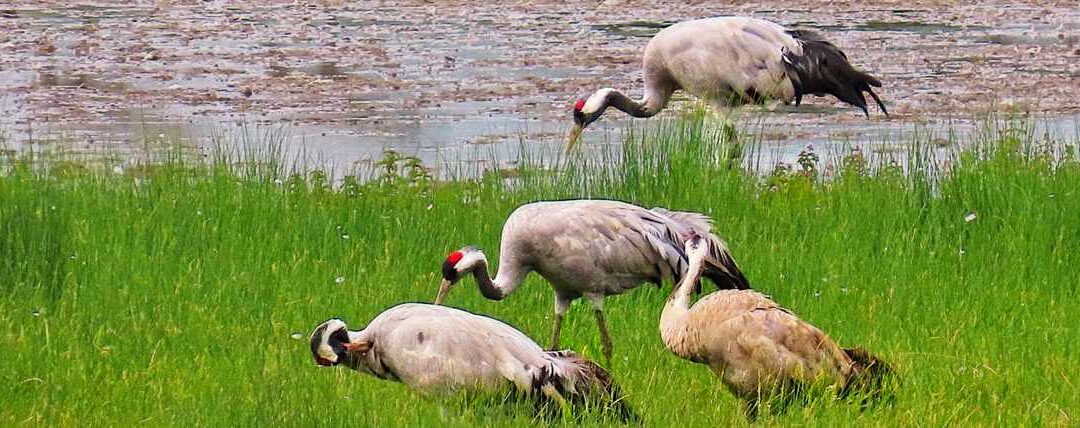
Above: Common Crane © Andrew Harrison
Leader: Lucy Starling
Eight members joined me to explore the wild parts of the reserve including the Summer Walkway before a high tide at 12 noon. Here we located over flying Yellow Wagtails by their calls and easier to see Barn Swallows flew low over the reed beds and fields of cattle. Curlew was the only wader species we could see on the estuary foreshore, along with resident Barnacle Geese, Shelducks, Little Egrets and a Ross’s Snow Goose.
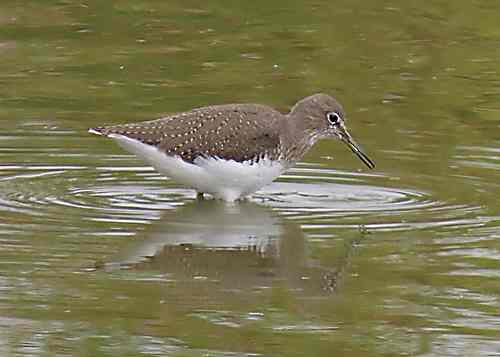
Green Sandpiper © Phillip Delve
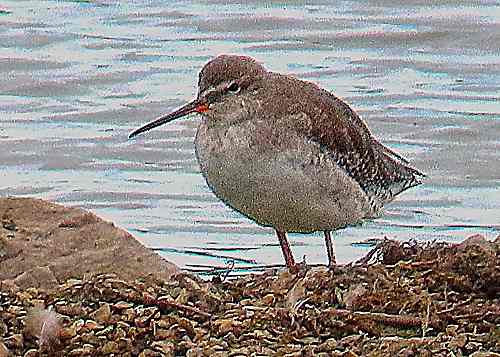
Spotted Redshank © Andrew Harrison
In front of the Robbie Garnett Hide we saw numerous Teal, Gadwall and a flock of Black-tailed Godwits. In the distance Green Sandpipers and a Greenshank. A Common Snipe and Lapwing were somewhat closer.
From Rushy Hide, we added Ruff, Common and Spotted Redshank. All the while, Chiffchaffs were calling around us and we picked up a few Sand Martins among the Barn Swallows.
Our picnic lunch was taken in the newly opened wetland area, previously the flamingo pool near the restaurant. The area has a large shallow pond surrounded by wild flowers and wetland plants to attract insects. Although on the day the blustery, cloudy weather was not conducive for finding insects, we did find a male Common Blue butterfly.
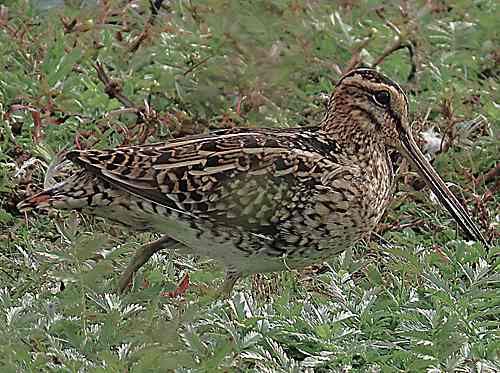
Snipe © Andrew Harrison

Ruff © Andrew Harrison
Our best sightings were probably from the Zeiss Hide: 17 Common Crane including juveniles and three adult Spoonbill.
At South Lake (Discovery Hide) we had good views of several male Ruff and the smaller Reeves (female ruff). Here we saw our one and only Avocet (juvenile) of the day and our second female Sparrowhawk, that raced across the back of the lake into the willows.
This is prime migration time and unusual rarities can turn up and perhaps next year it might be prudent to fix the date but not the location. Chew Valley Lake had a good variety of waders and passerines and, as many reading this report on the website will know, a juvenile White-tailed Sea Eagle!
Lucy Starling
Recent Comments